

Agents Need an Operating Model, Not a Better Chat Window
Executive Summary
The useful agent story is becoming less about granting a model more autonomy and more about making work legible enough to supervise. Two practitioner accounts published in the past day converge on the same point from different layers of the stack: an agent needs a verifiable finish line, an inspectable trail of events and state, and deliberate places for a person to intervene. Capability still matters, but it is increasingly being treated as a resource to allocate—not a substitute for a work design.
That is a meaningful refinement of the developing canon around agents. The hard production problem is not simply whether a model can produce a plausible next action. It is whether a team can define success before a run, preserve what happened during it, evaluate the result, and safely resume or correct it when the task changes.
What Happened
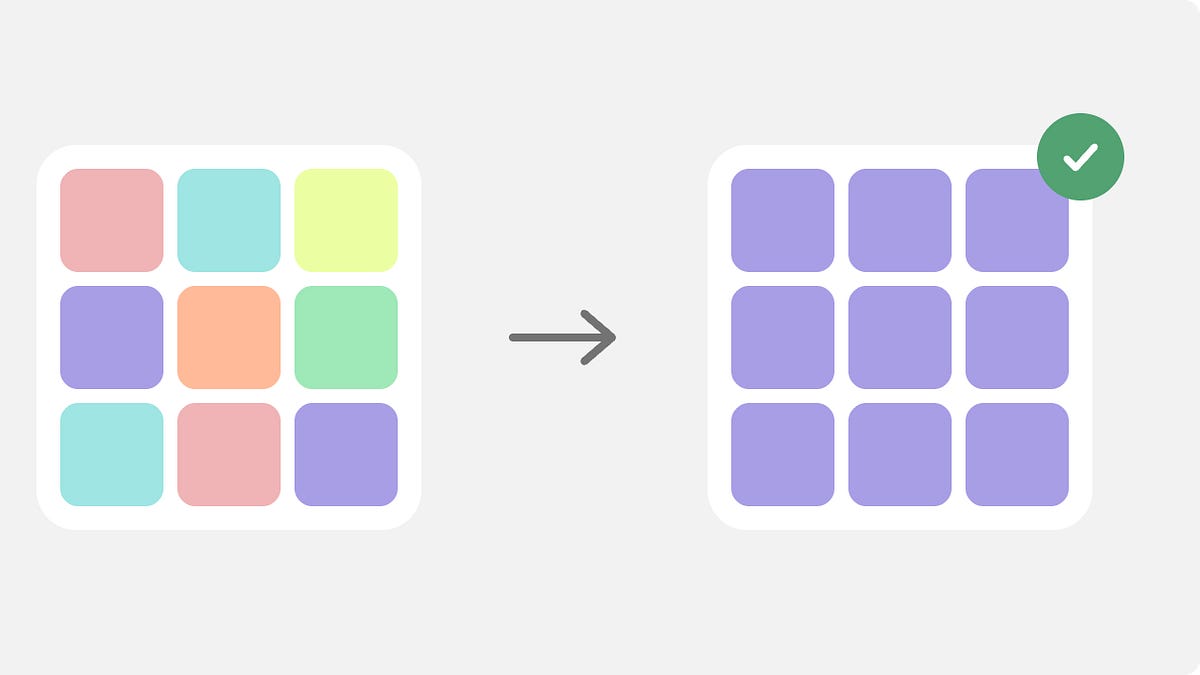
Azeem Azhar’s “Seven lessons for managing AI agents” makes the management case plainly. The public portion argues that autonomous tasks should start with a testable finish line rather than a broad intention: a Python module might be accepted only if it passes 36 tests; a board memo might require specified sources and a defined output. Ambiguity should be resolved before a long run, not discovered in a review afterward.
Azhar also separates work that needs stronger models—framing, judgment, conflict resolution—from routine work that can use cheaper ones. The proposed review cadence is outcome-oriented: look at substantial tasks, adopted outputs, cost, corrections, reruns, and the time saved or merely shifted into briefing and review. The precise metrics are an author’s recommendation, not a universal benchmark, but the distinction is important: token consumption and completed runs are not evidence of useful autonomy.
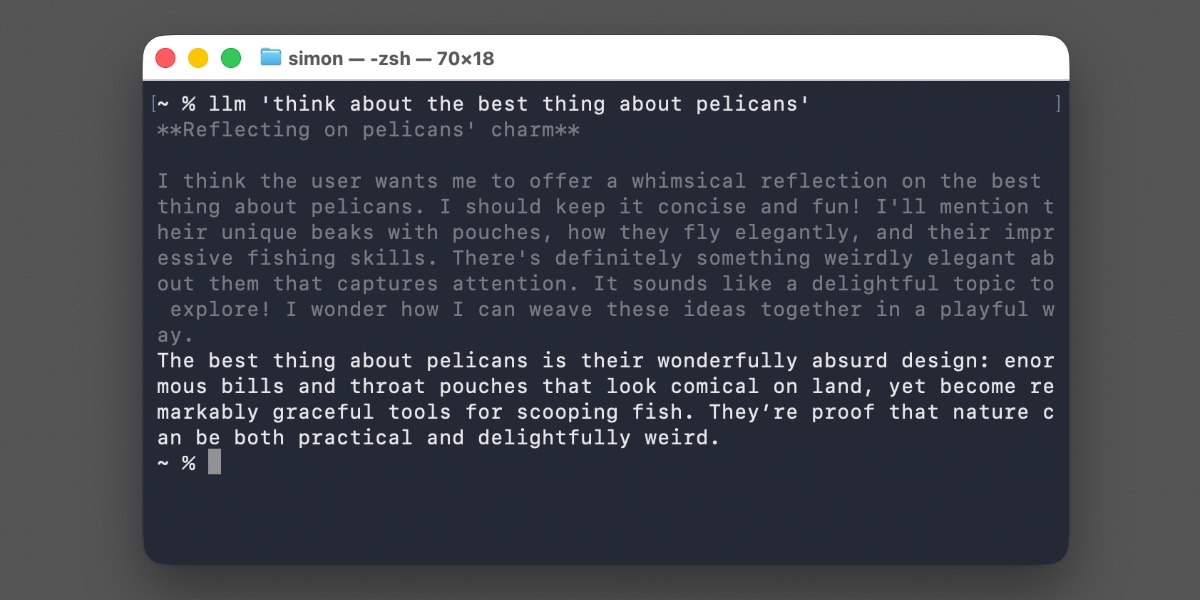
Simon Willison’s LLM 0.32 release supplies a concrete implementation counterpart. Its streaming interface represents reasoning, text, tool calls, tool results, and attachments as typed events rather than flattening a run into chat text. It also adds provider-hosted tools, explicit message lists, content-addressed conversation storage, and the ability to pause tool chains for human approval and later resume them. The accompanying Anthropic plugin release documents the related tool and connector surface.
Neither release proves that provider tools are reliable in every setting. But together they show the abstraction shifting: an agent run is a durable, eventful process with artifacts and approval points, not merely a verbose completion.
Why It Matters
The two accounts address complementary failure modes. A task contract prevents an agent from optimizing a fuzzy request into a polished but unusable answer. Typed events and durable history make it possible to inspect why a run took a path, what a tool returned, and where a reviewer should take over. Without the first, observability only produces a detailed record of drift; without the second, a good specification still leaves teams unable to diagnose or resume failed work.
This also complicates the common framing that reliability comes from a single “agent harness.” There is no one control layer. Reliability emerges across task definition, model routing, tool permissions, structured traces, evaluation, and review. Community projects highlighted in AI Tinkerers’ demo roundup point in the same direction—explicit state, tool traces, run evaluation, budgets, and typed workflow contracts—though those individual results remain self-reported.
Workflow Implications
For builders, the immediate experiment is modest: choose one recurring agent task and replace the prompt-only brief with an acceptance contract. Define the required inputs and output schema, a small set of observable success checks, the allowed tools, a budget or stop condition, and the exact point at which a human must approve continuation. Log each tool call and result as structured data, then review a sample of completed runs for corrections and reruns.
The aim is not to bureaucratize every use of a model. Lightweight tasks can stay lightweight. But when an output is consequential enough to inspect, it is consequential enough to specify and trace. Better models will broaden the set of tasks worth running; they will not remove the need to decide what “done” means.
Further Reading
- Azeem Azhar, Seven lessons for managing AI agents — task design, model allocation, and outcome-level review.
- Simon Willison, LLM 0.32 — a practical look at typed agent events, resumable histories, and provider tools.
- AI Tinkerers, What I Learned Giving Fable 5 a Face — a first-hand account of the latency, turn-taking, interruption, and lip-sync constraints that remain after the model call.