From Chat to Deliverable: An Agent Draws a Running Route
Executive Summary
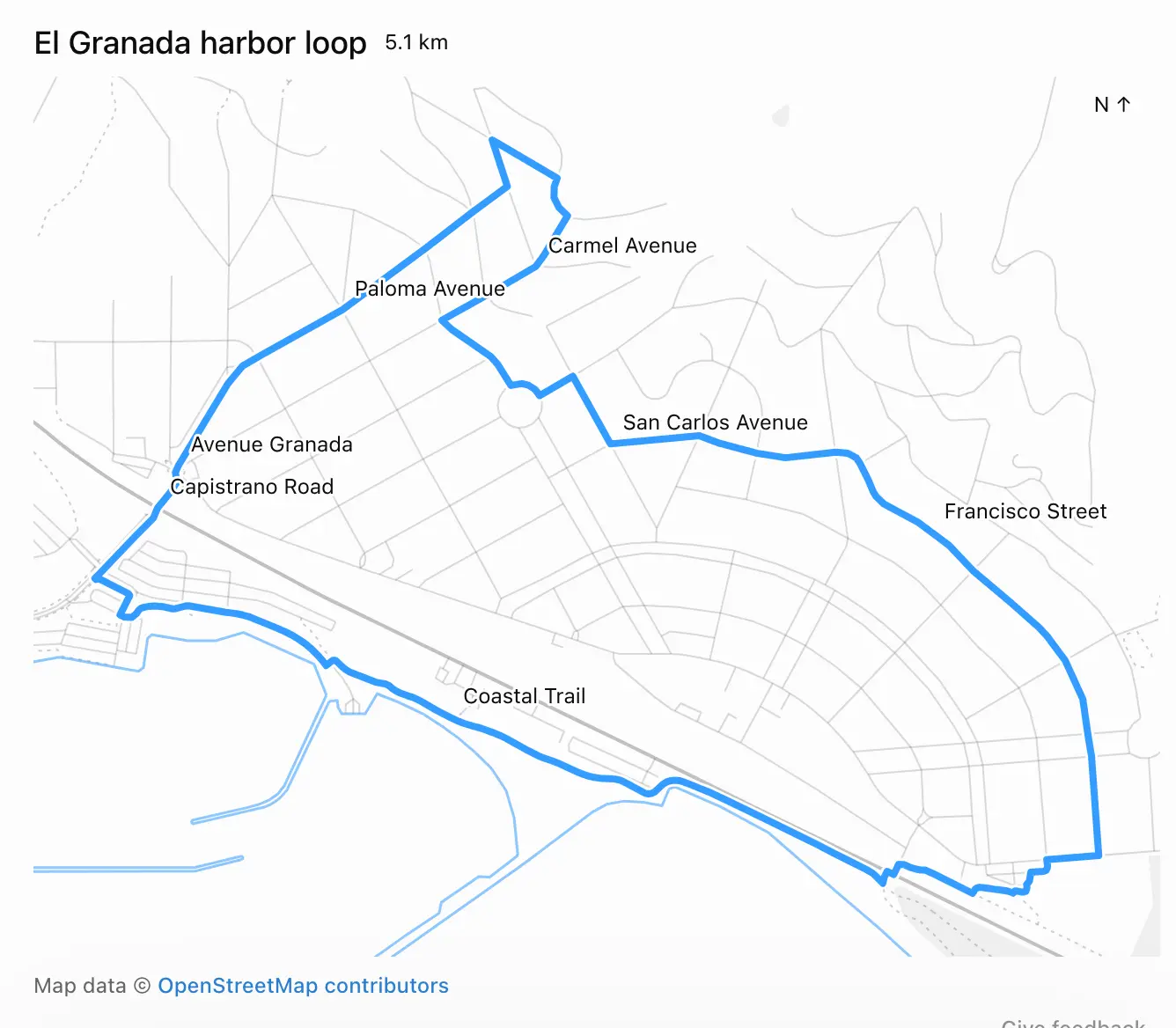
The most useful signal today is not another claim about a model being smarter; it is a small example of an AI system producing artifacts that can be inspected and used. Simon Willison reports asking ChatGPT Work, running GPT-6 Astra, to turn OpenStreetMap data into five- and ten-kilometre running loops from his home. The result was not merely a suggested route in prose: it included an embedded map and downloadable GPX and GeoJSON files, followed by a 27-minute run on one of the routes.
That is a meaningful shift in the shape of agent work. The value proposition is moving from an answer that a person must reconstruct into a deliverable that can enter an existing toolchain. But this is still a single first-person success, not evidence of general reliability. The crucial question is whether such outputs survive ordinary checks: route safety, access restrictions, data freshness, distance accuracy, and the user’s actual needs.
What Happened
In “Generating running routes with GPT-6 Astra and ChatGPT Work”, Willison describes a bounded task with a clear completion condition: create two runnable loops using geographic data. The system returned several route options, an interactive visualization, and standard geospatial files rather than forcing him to manually transfer a textual recommendation into a mapping application.
The file formats matter. GPX and GeoJSON are not just persuasive presentation; they are interfaces to other software. A runner can load them into navigation tools, inspect the geometry, compare alternatives, or correct them. That makes the model’s output more falsifiable than a polished paragraph. The work can fail visibly: a line crosses an impassable path, misstates its length, or proves unpleasant on the ground.
Willison’s subsequent run is modest but useful validation. It shows that at least one generated artifact made it out of the chat window and into the physical world. It does not establish that the system found the best route, that the route was safe, or that a different location and request would work as well.
Why It Matters
This reinforces a developing view of agents: their practical advance is increasingly about producing handoff-ready objects, not simply extending a conversation. Code changes, spreadsheets, research notes, calendar entries, and now route files share a useful property: another person or system can examine, revise, and act on them.
That property changes where human judgment belongs. For a text-only answer, the user must perform most of the translation from suggestion to action. For an artifact-producing agent, the user becomes a reviewer and operator. The review burden does not disappear; it becomes more concrete. One can validate a GPX trace against local knowledge, check whether a route stays on permitted roads, and decide whether its trade-offs suit the day.
It also clarifies why “agent autonomy” is a less helpful measure than workflow closure. A system that performs a narrow multi-step task, leaves behind inspectable files, and stops for approval may be more valuable than one that promises broad independence but cannot expose its work in usable form.
The Bigger Story
The day’s evidence is thin, so it does not justify a sweeping conclusion about GPT-6 Astra or agent reliability. Still, this example points toward a durable design test: ask whether the output has an owner, a format, and a verification path. If it does, an AI system can participate in real work without requiring blind trust. If it does not, apparent autonomy may still amount to an eloquent draft.
For builders, the implication is straightforward: prioritize exportability and reviewability alongside task completion. A useful agent should leave a trail that fits the tools people already use—and make mistakes easy to find before they become commitments.
Further Reading
- Simon Willison, “Generating running routes with GPT-6 Astra and ChatGPT Work” — the original first-person account and examples of the generated artifacts.