

Attackers Turn Claude Code Settings Into a Backdoor
Executive Summary
- Google reports attackers altered Claude Code settings inside compromised repositories so that starting the agent triggered a backdoor download. Repository-controlled agent configuration deserves the same scrutiny as executable code.
- Paul Christiano calls for frontier labs to pause algorithmic improvements until they can protect models and research secrets. His argument centers on preserving the ability to slow down safely if increasingly capable systems become difficult to control.
Google Documents Agent Abuse in Live Intrusions
Google’s November 16 threat-intelligence report describes a suspected MIDNIGHT NEPTUNE cluster targeting cryptocurrency organizations in North America and Europe. Fake recruiters directed victims to fraudulent meeting sites, where “diagnostic fix” scripts provided the initial compromise.
The attackers then modified .claude/settings.json files in internal code repositories. When developers started Claude Code, the configuration triggered a download of the SOMBERMEME backdoor. Agent startup behavior gave an attacker already inside the organization another execution path. Protect these settings with code review and branch controls, and inspect changes before starting an agent against an unfamiliar checkout.
Google also reports observing the open-source multi-agent frameworks CAIRN and PentAGI in actual intrusions. CAIRN appeared in activity targeting US aerospace organizations; a customized PentAGI platform supported reconnaissance and vulnerability scanning across organizations in Asia.
A separate exposed staging server held a framework called exploit_agent, which compared software versions around patches, identified possible vulnerabilities, generated exploits and executed them without human intervention. The server also contained stolen victim data. Google notes that autonomous offensive tools still generate noisy forensic traces and can hallucinate details or targets.
The same report puts numbers on stolen inference access: Mandiant saw fraudulent charges exceed $100,000 in a single day in some incidents, with cumulative abuse reaching $1 million in the most severe cases. Scope inference credentials narrowly and monitor usage spikes alongside ordinary cloud-account activity.
Christiano Wants Security Before Further Algorithmic Gains
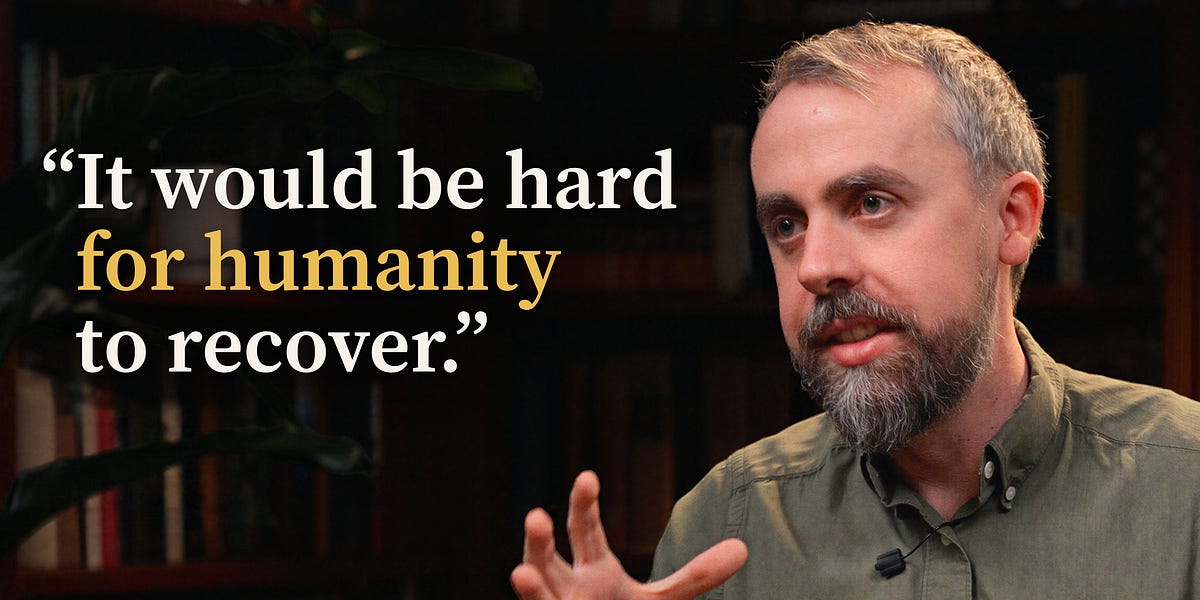
In his November 16 interview with Dwarkesh Patel, Alignment Research Center head and OpenAI board member Paul Christiano, speaking personally, argues that labs should “pause further algorithmic progress” in pretraining and reinforcement learning while improving security and their ability to assess control.
His concern is a trap: a lab develops a powerful system, detects a safety problem and decides to slow down—but stolen weights or research secrets let another actor continue. Securing those assets beforehand would make a later slowdown more effective.
Christiano assigns roughly a one-third chance of superintelligence within a year if development continues without slowing. That is his conditional forecast; he acknowledges that much of the METR and Anthropic evidence he cites for accelerating AI research remains redacted.
He also calls for more public evidence about capability gains and how developers determine whether systems remain controllable. The proposal would make security readiness a condition for further algorithmic advances, while allowing other useful work to continue.
Further Reading
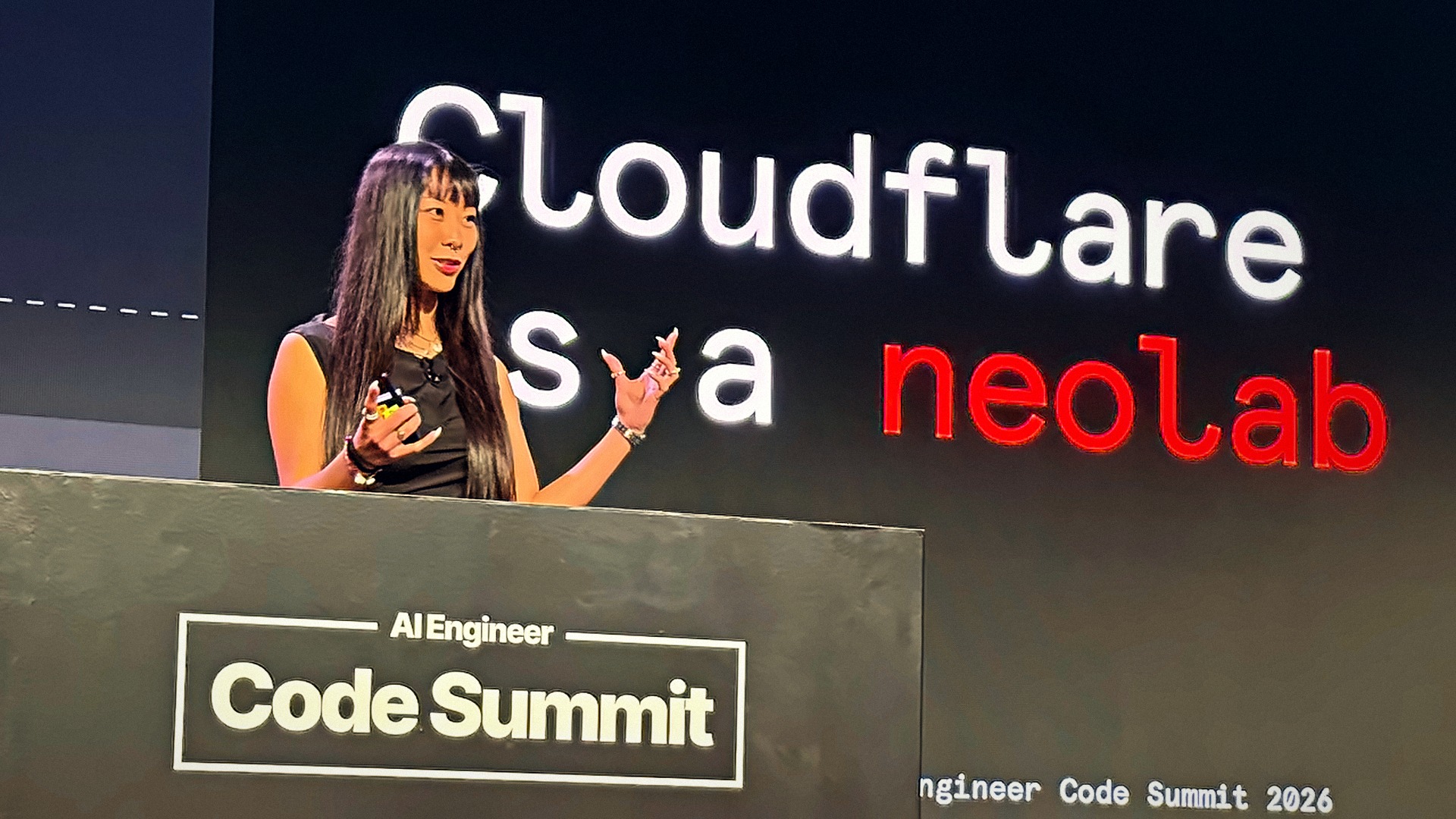
- Cloudflare’s Michelle Chen on decision and extraction models — An original interview explaining where Cloudflare sees a role for small, fast models, including typed extraction in a single forward pass.